Wednesday, February 5, 2025

Developmental and Epileptic Encephalopathies Market: Trends, Innovations, and Future Prospects


Developmental and Epileptic Encephalopathies (DEEs) are a group of rare yet severe neurological disorders that primarily affect infants and children, leading to cognitive impairment, developmental delays, and drug-resistant seizures. These conditions involve both developmental and epileptic features, significantly impacting the quality of life of patients and their families. The Developmental and Epileptic Encephalopathies Market is experiencing rapid growth, fueled by advancements in research, improved diagnostic techniques, and the introduction of novel treatment options.

Understanding the Developmental and Epileptic Encephalopathies Treatment Market

DEEs encompass various conditions such as Dravet Syndrome, Lennox-Gastaut Syndrome, West Syndrome, and Ohtahara Syndrome. These disorders are primarily linked to genetic mutations and neurobiological abnormalities that hinder normal brain development. A key characteristic of DEEs is the early onset of treatment-resistant epilepsy, often accompanied by developmental regression or stagnation.

The Developmental and Epileptic Encephalopathies Treatment Market is shifting towards early diagnosis and personalized therapies. Patients with DEEs often suffer from motor dysfunction, cognitive disabilities, and psychiatric comorbidities, emphasizing the need for tailored treatment strategies. Advances in molecular genetics are enabling the identification of causative mutations, leading to more precise and effective therapeutic approaches.

Developmental and Epileptic Encephalopathies Market Size and Growth Factors

The Developmental and Epileptic Encephalopathies Market Size has expanded significantly due to increased awareness, breakthroughs in genetic research, and the availability of specialized treatments. The market is expected to continue its upward trajectory, driven by the growing prevalence of DEEs, particularly in pediatric populations, and the continuous evolution of neurological research.

Key factors driving the Developmental and Epileptic Encephalopathies Market Size include:

  • Rising adoption of genetic testing for accurate diagnosis.
  • Availability of advanced treatment options.
  • Increased recognition of DEEs as distinct medical conditions.
  • Growth in clinical trials exploring novel therapeutic solutions.

With increased investment from pharmaceutical and biotech companies, the market is poised for further expansion in the coming years.

Breakthroughs in the Developmental and Epileptic Encephalopathies Drugs Market

The Developmental and Epileptic Encephalopathies Drugs Market has seen significant advancements, with a growing focus on therapies that not only manage seizures but also target the underlying genetic and molecular causes of these conditions. While traditional antiepileptic drugs (AEDs) remain an essential part of treatment, they often fail to provide comprehensive relief, leading to increased demand for more innovative solutions.

Key developments in the Developmental and Epileptic Encephalopathies Drugs Market include:

  • Gene therapies designed to correct genetic mutations.
  • Enzyme replacement therapies aimed at addressing metabolic deficiencies.
  • Neuromodulation techniques to improve seizure control.
  • Cannabidiol (CBD)-based treatments, such as Epidiolex, which has demonstrated effectiveness in reducing seizures in patients with Dravet Syndrome and Lennox-Gastaut Syndrome.

These advancements mark a transition toward precision medicine, offering more personalized and effective treatment strategies.

Key Players in the Developmental and Epileptic Encephalopathies Therapeutics Market

The Developmental and Epileptic Encephalopathies Therapeutics Market is characterized by significant research and development efforts, with leading pharmaceutical and biotech companies focusing on innovative therapies. The growing understanding of the genetic and molecular mechanisms behind DEEs has opened new avenues for targeted drug development.

Prominent companies in the Developmental and Epileptic Encephalopathies Companies include:

  • Zogenix, Inc. – Developer of Fintepla (fenfluramine), an FDA-approved drug for Dravet Syndrome.
  • Marinus Pharmaceuticals – Advancing ganaxolone, a GABA-A receptor modulator for pediatric epilepsy.
  • Ovid Therapeutics – Working on OV101, a selective GABA-A receptor modulator for genetic epilepsy syndromes.
  • Biogen Inc. – Investing in gene therapy research for rare neurological disorders, including DEEs.
  • GW Pharmaceuticals – Known for cannabidiol-based treatments like Epidiolex, which has transformed the DEE treatment landscape.

The increasing involvement of these companies highlights the rising investments in research and development for DEEs, with a particular focus on gene therapy, RNA-based treatments, and other novel approaches.

Challenges and Opportunities in the Developmental and Epileptic Encephalopathies Market

Despite the promising advancements, the Developmental and Epileptic Encephalopathies Market faces several challenges:

  • Diversity and Complexity – The wide-ranging nature of DEEs makes it difficult to develop one-size-fits-all treatments.
  • High Treatment Costs – Genetic testing and targeted therapies can be expensive, limiting access to care in some regions.
  • Limited Awareness – Many cases remain undiagnosed due to a lack of awareness among healthcare professionals and the general public.

However, these challenges present significant opportunities for market growth:

  • Increased funding and investment in rare disease research.
  • Development of more cost-effective and accessible therapies.
  • Expansion of biomarker-based and personalized treatment approaches.
  • Strengthened public-private partnerships and regulatory support to accelerate drug development.

Conclusion

The Developmental and Epileptic Encephalopathies Market is undergoing a transformative phase, driven by medical advancements, enhanced diagnostic capabilities, and innovative treatment solutions. As the understanding of DEEs deepens, the treatment landscape is poised to evolve further, offering new hope to patients and families affected by these debilitating conditions.

With continued investment in research and clinical trials, the Developmental and Epileptic Encephalopathies Treatment Market is expected to witness remarkable growth. The future holds promising developments that could significantly improve patient outcomes and revolutionize the management of DEEs.

Reports Offered By Delveinsight

Avascular Necrosis Market | External Defibrillators Market | Pulmonary Emphysema Market | Radial Artery Compression Device Market | Short Bowel Syndrome Drug Market | Thyroid Cancer Market |  Vascular Access Devices Market | Cannabis Use Disorder Market | Carcinoid Syndrome Market |  Diabetic Wound Market | Hip Replacement Devices Market | Pipeline Assessment Services | Surgical Energy Instruments Market | Thrombectomy Devices Market | Attention Deficit Hyperactivity Disorder Market | Celiac Disease Market | Coronary Stents Market |  UK Healthcare Report | ADHD Market |  Attention Deficit Hyperactivity Disorder ADHD Market

About DelveInsight

DelveInsight is a leading market research and consulting firm specializing in life sciences and healthcare insights.

Contact:
Kanishk 

 Email: kkumar@delveinsight.com

Tuesday, February 4, 2025

DelveInsight’s Analysis of the Polymyositis Therapeutics Market


Polymyositis is a rare autoimmune disease that causes chronic muscle inflammation, leading to muscle weakness, particularly in the hips, shoulders, and neck. It is classified under inflammatory myopathies and primarily affects adults, though children can also develop the condition. While its exact cause remains uncertain, genetic and environmental factors are believed to play a role in the immune system’s malfunction.

In this article, we provide a detailed overview of the Polymyositis Market, including its size, growth trends, forecasts, major players, and emerging treatments in the field of Polymyositis Therapeutics. Insights from DelveInsight’s Polymyositis Market Report delve into the market dynamics, disease prevalence, and key advancements in Polymyositis Treatment.

Overview of the Polymyositis Market

The Polymyositis Market Size is expected to grow significantly in the coming years, driven by increasing awareness, advancements in diagnostics, and the development of new Polymyositis Therapeutics. The rising global incidence of autoimmune diseases is accelerating the demand for more effective treatments, creating valuable opportunities in the Polymyositis Drugs Market.

Growth Drivers of the Polymyositis Treatment Market

Several factors are propelling the expansion of the Polymyositis Therapeutics Market:

  • Rising Incidence of Autoimmune Disorders: The global rise in autoimmune diseases, including polymyositis, is a key growth driver, especially in developed countries where environmental factors such as infections and toxins may contribute to this increase.
  • Improved Diagnostic Techniques: Enhanced diagnostic tools, like antibody tests and muscle biopsies, are allowing for earlier and more accurate diagnosis, leading to better treatment outcomes and market growth.
  • New Therapeutic Options: The rise of biologic therapies and immunosuppressants is revolutionizing the Polymyositis Therapeutics Market, offering more effective and targeted treatments.
  • Increased Awareness: Growing awareness among healthcare professionals and patients is leading to more diagnoses and a higher demand for Polymyositis Drugs.

Polymyositis Market Forecast

According to DelveInsight’s Polymyositis Market Forecast, several key factors will drive the market’s robust growth in the coming years:

  • Increased Disease Prevalence: As the prevalence of autoimmune diseases rises and populations age, there will be a surge in demand for effective Polymyositis Treatment.
  • Drug Development Advances: Immunomodulatory and biologic therapies targeting muscle inflammation and immune responses are set to gain regulatory approval, boosting market growth.
  • Personalized Medicine Trends: The growing use of personalized medicine and biologic treatments will play a crucial role in transforming the Polymyositis Therapeutics Market and enhancing patient outcomes.

Current Landscape of the Polymyositis Drugs Market

Treatment strategies for polymyositis currently focus on reducing inflammation and restoring muscle strength. Common treatment options include:

  • Corticosteroids: These are often the first line of treatment to control inflammation, though long-term use can lead to side effects like osteoporosis and diabetes.
  • Immunosuppressive Agents: Medications like methotrexate and azathioprine help suppress the immune system, although they require careful monitoring.
  • Biologic Therapies: Targeted biologic treatments, such as TNF inhibitors and interleukin inhibitors, offer a promising alternative with fewer systemic side effects.
  • Intravenous Immunoglobulin (IVIg) & Plasma Exchange: IVIg therapy modulates the immune system, and plasma exchange removes harmful autoantibodies in severe cases.

Key Players in the Polymyositis Therapeutics Market

Prominent players in the Polymyositis Market, working on novel Polymyositis Drugs, include:

  • AbbVie: A major force in immunosuppressive and biologic therapies.
  • Sanofi: Focusing on immunomodulatory treatments for autoimmune diseases.
  • Roche: Actively developing biologic therapies for inflammatory conditions.
  • Bristol Myers Squibb: Innovating new treatments for immune-related diseases.
  • Vertex Pharmaceuticals: Specializing in therapies for rare autoimmune disorders.

Polymyositis Epidemiology Insights

DelveInsight’s Polymyositis Epidemiology Forecast indicates that the condition primarily affects adults, especially women, with diagnoses typically occurring between the ages of 30 and 60. While the disease can affect both children and older adults, its prevalence is higher in North America and Europe compared to other regions.

Challenges and Opportunities in the Polymyositis Drugs Market

Despite promising growth, the Polymyositis Drugs Market faces challenges:

  • High Treatment Costs: The cost of biologic therapies and newer treatments may limit access for some patients. However, improvements in insurance coverage and the rise of biosimilars could help address this issue.
  • No Curative Treatments: While current therapies manage symptoms, there is still no cure for polymyositis. Continued research investment is needed to develop more effective and potentially curative treatments.

However, the increasing focus on biologics, personalized medicine, and continued research funding presents significant opportunities in the Polymyositis Therapeutics Market.

Conclusion

The Polymyositis Market is set to experience substantial growth, driven by expanding patient populations, improved diagnostic tools, and novel treatment options. The Polymyositis Market Size is expected to grow as more patients gain access to Polymyositis Drugs. Pharmaceutical companies are making great strides in developing innovative therapies that will likely revolutionize disease management in the near future.

Reports Offered by DelveInsight

DelveInsight offers comprehensive market reports across various therapeutic areas, including:

Avascular Necrosis Market | External Defibrillators Market | Pulmonary Emphysema Market | Radial Artery Compression Device Market | Short Bowel Syndrome Drug Market | Thyroid Cancer Market |  Vascular Access Devices Market | Cannabis Use Disorder Market | Carcinoid Syndrome Market |  Diabetic Wound Market | Hip Replacement Devices Market | Pipeline Assessment Services | Surgical Energy Instruments Market | Thrombectomy Devices Market | Attention Deficit Hyperactivity Disorder Market | Celiac Disease Market | Coronary Stents Market |  UK Healthcare Report | ADHD Market |  Attention Deficit Hyperactivity Disorder ADHD Market

About DelveInsight

DelveInsight is a leading market research and consulting firm specializing in life sciences and healthcare insights.

Contact:
Kanishk | Email: kkumar@delveinsight.com

Cocaine Use Disorder Market: Emerging Therapies, Key Players, and Growth Prospects


Cocaine Use Disorder (CUD) is a growing global health concern, with increasing prevalence and a lack of FDA-approved medications specifically designed for treatment. The Cocaine Use Disorder Treatment Market is rapidly evolving due to ongoing research, promising new therapies, and rising demand for effective interventions. DelveInsight’s latest report provides a comprehensive analysis of the Cocaine Use Disorder Market, focusing on emerging treatments, leading pharmaceutical companies, and key market trends.

Cocaine Use Disorder Market Overview

Cocaine Use Disorder is characterized by compulsive cocaine consumption, resulting in significant health, occupational, and social impairments. Currently, treatment is primarily based on behavioral interventions, counseling, and off-label pharmacological strategies. However, advancements in neurobiological research are paving the way for targeted Cocaine Use Disorder Drugs, aiming to address the core mechanisms of addiction.

Cocaine Use Disorder Treatment Market Size and Growth Drivers

The Cocaine Use Disorder Market Size is projected to witness substantial growth in the coming years, driven by:

  • Increased funding for addiction research
  • Rising awareness of available treatment options
  • A strong pipeline of novel therapies
  • Government and nonprofit initiatives supporting treatment accessibility

The growing need for Cocaine Use Disorder Drugs is also attracting pharmaceutical investments, creating a competitive and rapidly expanding market landscape.

Emerging Therapies and Pipeline Developments

The Cocaine Use Disorder Therapeutics Market is witnessing groundbreaking developments, including:

  • Dopaminergic Agents: Designed to modulate dopamine pathways to minimize cravings and withdrawal symptoms.
  • Monoclonal Antibodies: Engineered to neutralize cocaine molecules before they reach the brain.
  • Glutamate Modulators: Targeting neurotransmitter imbalances caused by chronic cocaine use.
  • Vaccine-Based Approaches: Preventing cocaine from crossing the blood-brain barrier, thereby reducing its psychoactive effects.

Several late-stage Cocaine Use Disorder clinical trials are underway, with promising results that could lead to regulatory approvals in the near future.

Key Players in the Cocaine Use Disorder Drugs Market

The Cocaine Use Disorder Companies landscape consists of both established pharmaceutical firms and emerging biotech companies working on innovative treatments. Some key players include:

  • MediciNova
  • Tonix Pharmaceuticals
  • Aelis Farma
  • Indivior
  • Catalyst Pharmaceuticals
  • Omeros Corporation
  • Braeburn Pharmaceuticals

These companies are actively conducting clinical trials and engaging in strategic partnerships to accelerate drug development and commercialization.

Challenges and Opportunities in the Cocaine Use Disorder Therapeutics Market

While the Cocaine Use Disorder Treatment Market is advancing, several challenges persist:

  • Regulatory Barriers: Obtaining FDA and EMA approvals remains a complex process.
  • Limited Awareness: Many patients and healthcare providers are unaware of new pharmacological options.
  • High Relapse Rates: Long-term treatment strategies continue to be a major research focus.

However, increasing investments in neuropharmacology, government backing for addiction treatment programs, and growing awareness are creating new opportunities for market expansion.

Conclusion

The Cocaine Use Disorder Market is set for substantial growth, driven by emerging treatment options and a shifting regulatory landscape. With continuous research, investment, and policy advancements, the Cocaine Use Disorder Drugs Market holds promise for providing better solutions for individuals battling addiction. DelveInsight’s comprehensive report offers valuable insights into market trends, key companies, and innovative therapies, equipping stakeholders with the knowledge to navigate this dynamic industry.

Another Reports Offered By Delveinsight

Avascular Necrosis Market | External Defibrillators Market | Pulmonary Emphysema Market | Radial Artery Compression Device Market | Short Bowel Syndrome Drug Market | Thyroid Cancer Market | Vascular Access Devices Market | Cannabis Use Disorder Market | Carcinoid Syndrome Market | Diabetic Wound Market | Hip Replacement Devices Market | Pipeline Assessment Services | Surgical Energy Instruments Market | Thrombectomy Devices Market | Attention Deficit Hyperactivity Disorder Market | Celiac Disease Market | Coronary Stents Market | UK Healthcare Report | ADHD Market | Attention Deficit Hyperactivity Disorder ADHD Market

About DelveInsight

DelveInsight is a leading provider of market research and consulting services, specializing in the life sciences and healthcare sectors. Our expert insights help pharmaceutical, biotechnology, and medical device companies navigate competitive markets and achieve long-term success.

Contact:
Kanishk | Email: kkumar@delveinsight.com


High-Risk Smoldering Multiple Myeloma: The Critical Stage Between MGUS and Multiple Myeloma


What is High-Risk Smoldering Multiple Myeloma?

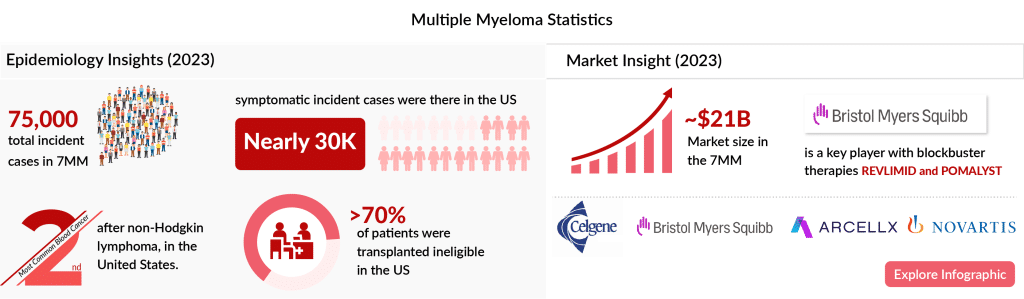
High-risk smoldering multiple myeloma (HR-SMM) is an intermediate stage between monoclonal gammopathy of undetermined significance (MGUS) and active multiple myeloma. Patients with HR-SMM have a significantly increased risk of progressing to symptomatic multiple myeloma within two years. Diagnosis relies on key blood markers, such as abnormal plasma cell levels, elevated monoclonal protein, and specific genetic mutations. Identifying HR-SMM early is essential, as it allows patients to consider new treatments for HR-SMM that may delay disease progression.

Symptoms of Smoldering Multiple Myeloma

Unlike active multiple myeloma, smoldering multiple myeloma is often asymptomatic. However, some patients may experience mild symptoms, including anemia, fatigue, or slight bone discomfort. Regular monitoring is critical to track disease advancement and determine the right time for intervention. Although a cure remains uncertain, early treatment strategies can help delay the disease, while the risk of relapse emphasizes the need for close observation.

Evolving Treatments for High-Risk Smoldering Multiple Myeloma

Traditionally, HR-SMM has been managed through active monitoring. However, new treatments for HR-SMM are being explored to prevent progression. Immunotherapy, particularly Revlimid-based regimens, has demonstrated encouraging results in clinical trials. Additionally, targeted therapies, including monoclonal antibodies and proteasome inhibitors like Carfilzomib, are emerging as promising options.

For eligible patients, multiple myeloma stem cell transplant is a potential treatment strategy that can extend remission and slow disease progression. Researchers are also investigating chemotherapy and targeted approaches to halt disease advancement. With continuous innovations in the multiple myeloma drugs market, advanced treatments like CAR-T cell therapy and novel agents in clinical trials are reshaping the landscape of multiple myeloma care.

Conclusion

High-risk smoldering multiple myeloma is a crucial stage that requires early detection and timely intervention. The expanding multiple myeloma drugs market is introducing new treatment options that enhance disease management and improve patient outcomes. Through proactive monitoring, innovative therapies, and emerging medical advancements, individuals with HR-SMM have a better chance of delaying progression to active multiple myeloma.

Latest Blogs by DelveInsight:

About DelveInsight

DelveInsight is a leading provider of market research and consulting services specializing in the life sciences and healthcare industries. Our insights help pharmaceutical, biotechnology, and medical device companies navigate competitive landscapes and achieve long-term success.

Contact: Kanishk 

 Email: kkumar@delveinsight.com

Monday, February 3, 2025

High Grade Glioma Market: Key Trends, Growth Opportunities, and Competitive Landscape


High Grade Gliomas (HGG) are highly aggressive brain tumors that present major challenges in terms of diagnosis, treatment, and patient outcomes.. The High Grade Glioma Market is experiencing rapid growth, fueled by ongoing research, innovative treatment options, and the growing involvement of pharmaceutical companies. This article covers key aspects of the High Grade Glioma Market, including market size, treatment landscape, therapeutics advancements, and the competitive environment within the High Grade Glioma Drugs Market.

High Grade Glioma Market Size and Growth Trajectory

The High Grade Glioma Market is expanding steadily due to factors like increasing incidence rates, advancements in molecular diagnostics, and the development of more effective treatments. According to recent market reports, the market is expected to continue growing throughout the forecast period. Factors such as aging populations, radiation exposure, and genetic predispositions contribute to the rising incidence of high-grade gliomas globally.

High Grade Glioma Treatment Market: Current Landscape

The High Grade Glioma Treatment Market includes various therapeutic approaches such as surgery, radiation therapy, chemotherapy, and targeted therapies. Surgery remains the primary treatment option, typically followed by radiation and chemotherapy to manage tumor progression. Temozolomide (TMZ) is the standard chemotherapy drug, but novel immunotherapies and targeted treatments are gaining traction.

Emerging High Grade Glioma Treatment Strategies:

  • Immunotherapy: Checkpoint inhibitors and CAR-T cell therapies are being explored for their potential in treating high-grade gliomas.
  • Gene Therapy: Advances in gene editing and delivery mechanisms are paving the way for personalized treatment options.
  • Tumor-Treating Fields (TTFields): This non-invasive technique disrupts tumor cell division and holds promise for extending patient survival.

High Grade Glioma Therapeutics Market: Drug Development and Innovation

The High Grade Glioma Therapeutics Market is attracting substantial investment from pharmaceutical and biotechnology companies. New drug candidates targeting genetic mutations like IDH1, MGMT, and EGFR are undergoing clinical trials to enhance treatment efficacy and improve patient outcomes.

Promising Research Areas in the High Grade Glioma Drugs Market:

  • Small Molecule Inhibitors: Drugs targeting key signaling pathways involved in glioma progression.
  • Angiogenesis Inhibitors: Therapies that block the blood supply to tumors, limiting growth.
  • Combination Therapies: Investigating combinations of chemotherapy, radiation, and targeted treatments to improve clinical outcomes.

Competitive Landscape: Leading High Grade Glioma Companies

Numerous leading High Grade Glioma Companies are driving the development of innovative treatments for high-grade gliomas. The competitive landscape includes established pharmaceutical giants as well as emerging biotech firms focusing on novel therapies.

Key Companies in the High Grade Glioma Market:

  • Roche
  • Merck & Co.
  • Bristol Myers Squibb
  • Novartis
  • AstraZeneca
  • Bayer
  • AbbVie
  • Takeda Pharmaceuticals
  • Karyopharm Therapeutics
  • BeiGene

These companies are heavily investing in research and development, clinical trials, and collaborations to bring novel therapies to market. Mergers, acquisitions, and strategic partnerships are also shaping the competitive dynamics of the industry.

High Grade Glioma Market Outlook and Key Challenges

Despite significant advancements, challenges persist in the High Grade Glioma Market. The blood-brain barrier limits the effectiveness of drug delivery, and resistance to existing therapies remains a concern. However, breakthroughs in nanotechnology, precision medicine, and AI-driven drug discovery are expected to transform the treatment landscape in the years to come.

Conclusion

The High Grade Glioma Market is poised for significant growth, driven by advancements in therapeutic options, increased research investments, and the emergence of innovative treatments. Collaboration among pharmaceutical companies, research institutions, and regulatory bodies will play a crucial role in overcoming current challenges and improving patient outcomes. As the market evolves, the High Grade Glioma Drugs Market will continue to experience groundbreaking developments, offering renewed hope to patients fighting these aggressive brain tumors.

Reports Offered by DelveInsight:

Avascular Necrosis Market | External Defibrillators Market | Pulmonary Emphysema Market | Radial Artery Compression Device Market | Short Bowel Syndrome Drug Market | Thyroid Cancer Market |  Vascular Access Devices Market | Cannabis Use Disorder Market | Carcinoid Syndrome Market |  Diabetic Wound Market | Hip Replacement Devices Market | Pipeline Assessment Services | Surgical Energy Instruments Market | Thrombectomy Devices Market | Attention Deficit Hyperactivity Disorder Market | Celiac Disease Market | Coronary Stents Market |  UK Healthcare Report | ADHD Market |  Attention Deficit Hyperactivity Disorder ADHD Market

About DelveInsight: DelveInsight is a leading market research and consulting firm specializing in the life sciences and healthcare sectors. We provide actionable insights that help pharmaceutical, biotechnology, and medical device companies navigate competitive landscapes and achieve success.

Contact Information: Kanishk

Email: kkumar@delveinsight.com

Food Allergy Management: Market Outlook and Future Potential

  The  Food Allergy Market  has become an essential component of the worldwide healthcare sector, propelled by the escalating occurrence of ...